
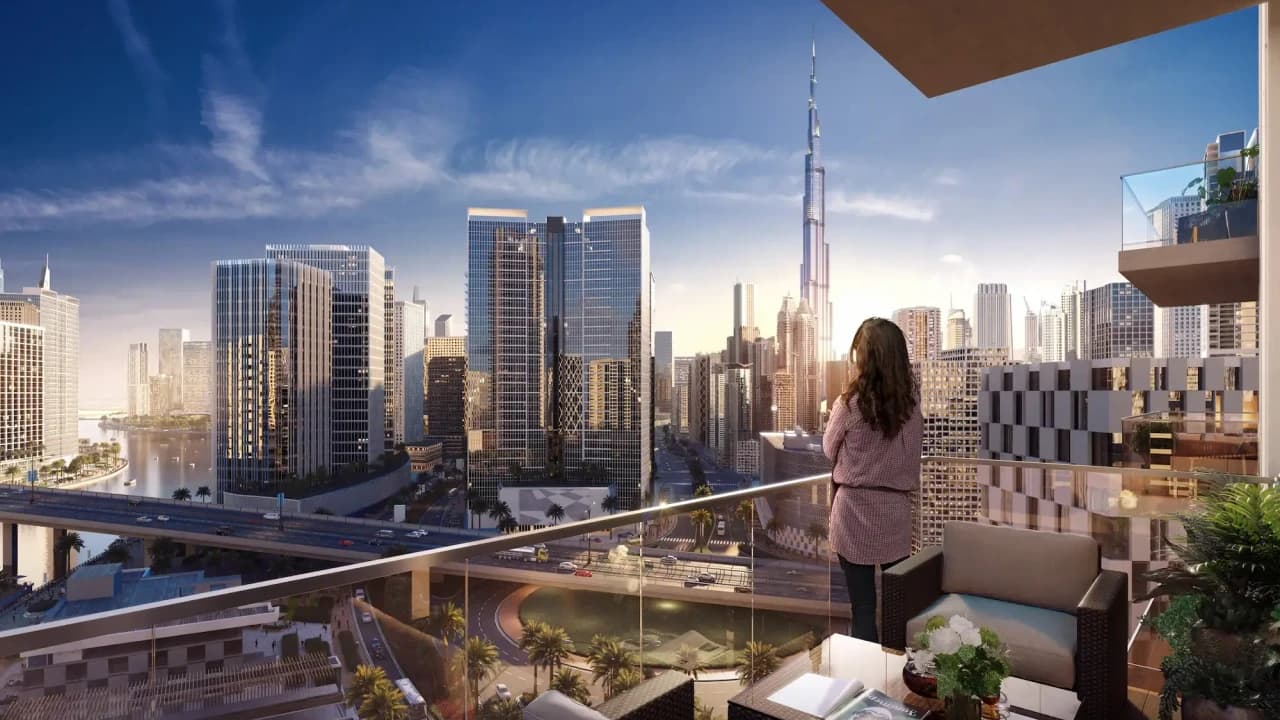
Dubai real estate in early 2026 is still active and resilient, but the market is clearly shifting from “fast growth everywhere” to “selective growth in the right segments.” Sales stayed strong after a record 2025, price growth is expected to moderate in 2026, and a bigger pipeline of new homes over 2026–2028 is likely to cool some areas while keeping prime, well-located homes in demand. At the same time, buyers and tenants are becoming more price-sensitive, which is why layout quality, building management, and community desirability matter more than hype.
The market snapshot: strong activity, but more selective buyers
Dubai ended 2025 with record annual sales value (Dubai Land Department figures reported by Gulf News show sales value over AED 682 Billions in 2025). That momentum carried into 2026, but market analysts expect a calmer pace of capital growth compared to the surge phase.
What “more selective” looks like in real life
Instead of “anything sells,” you’ll see:
Better units selling first (good view, good layout, good building reputation)
Sellers of average units needing to price more realistically
Investors asking tougher questions about service charges and net yield
End-users prioritizing livability, not just brand names
Why this shift is happening
A few big forces are shaping 2026:
Affordability limits after multiple years of price growth, especially in popular areas
Expanding supply: Moody’s forecasts roughly 180,000 completions between 2026–2028 (around 60,000 per year), which is higher than the recent 5-year average
A global macro backdrop that can change sentiment quickly (oil, travel, geopolitics, rates), even if Dubai remains structurally strong
Price trends in 2026: growth is moderating, not reversing
Many credible observers expect price growth to slow rather than crash. For example, ValuStrat’s outlook points to moderation in residential capital gains in 2026 after nearly 20% gains in 2025.
What that means for buyers and sellers
Buyers: you have more negotiating power in average buildings, smaller views, or “compromise units”
Sellers: pricing based on last year’s peak expectations can lead to longer time-on-market
Investors: returns depend more on buying right than riding market-wide appreciation
The “two-speed market” is real
In 2026, Dubai is behaving like a two-speed market:
Prime and highly desirable communities remain supported (limited supply, strong lifestyle pull)
Mid-market areas with lots of similar new supply are more competitive (more choices for buyers and tenants)
This is why micro-location and building quality matter so much right now.
Off-plan vs ready: why off-plan remains dominant, but scrutiny is rising
Dubai has been heavily driven by off-plan demand, supported by developer payment plans and launch cycles. That trend still exists in 2026, but buyers are asking more detailed questions, especially with the supply pipeline growing.
What buyers like about off-plan in 2026
Payment plans can reduce immediate cash pressure
Newer communities offer modern layouts and amenities
Early-phase pricing can look attractive compared to mature areas
What buyers are more cautious about now
Handover timelines and delivery clarity
Competing supply delivering in the same window (which can affect resale and rents)
Total ownership costs: service charges, maintenance, and long-term management
If you’re considering off-plan in 2026, treat “unit selection” as the main decision (view, privacy, layout efficiency), not only the project name.
Rental market: still strong in many areas, but affordability is a ceiling
ValuStrat’s 2026 outlook suggests rents could be broadly flat in its base case, driven by affordability constraints and more supply influencing leasing dynamics.
What tenants are doing differently
Tenants are more value-driven now:
Renewing only if landlords remain realistic
Comparing newer buildings against older ones more aggressively
Prioritizing total monthly cost (including utilities, chiller, parking convenience, commute)
A 2026 trend landlords should not ignore
Dubai has also been tightening controls on illegal shared housing and partition-style overcrowding, with reports of steep fines for violations. While this targets illegal “bed-space” style activity, it can also influence certain sub-markets by pushing demand back toward compliant rentals.
Supply pipeline: the big story for 2026–2028
The most important medium-term factor is supply. More homes completing means:
More choice for buyers and renters
Less pricing power for average units
Stronger competition between similar buildings
Moody’s estimates (as reported by Gulf News) suggest roughly 180,000 unit completions from 2026–2028, about 60,000 annually.
How supply changes strategy (practical view)
If supply rises, the market rewards:
Well-positioned units (view, privacy, orientation)
Trusted building management and maintenance
Communities with real lifestyle pull (parks, walkability, established retail, schools)
Layouts tenants love (good storage, usable balconies, practical rooms)
It punishes:
“Generic” layouts with no differentiators
Noisy road-facing units
Buildings with weak maintenance or poor reputation
Overpriced listings relying on last year’s market mood
What’s happening in different segments
Villas and family communities
Villas have remained highly sought-after in recent market commentary and outlooks. Family demand is supported by lifestyle preferences, space, and longer-stay residents. When supply expands, villa communities with established quality and strong internal planning typically hold up better than average.
Apartments
Apartments remain liquid (more buyers, more tenant pool), but the spread is widening between:
“Best-in-class” buildings (easier to rent, easier to resell)
“Commodity” buildings (many similar options compete on price)
Prime and ultra-prime
Prime demand often stays supported because:
Supply is naturally limited
Buyer base is less sensitive to small rate changes
Lifestyle and brand value carry more weight
But even prime buyers in 2026 want proof:
Confirmed views
Strong building management
Clear service charge expectations
The geopolitical and macro layer: what it’s doing to sentiment
Dubai’s market has shown resilience during global uncertainty, but sentiment can still shift quickly with regional headlines. Reuters reporting in March 2026 highlights how war-related risks affected Gulf markets and investor caution.
What to do with this information (without panic)
If you’re buying:
Choose assets you can comfortably hold (don’t stretch your budget)
Avoid relying on a quick flip
Prioritize fundamentals (location logic, building quality, layout)
If you’re selling:
Price for today’s buyer psychology, not last year’s FOMO
Make your listing “easy to say yes to” (clean condition, clear paperwork, realistic price)
How to make smart decisions in 2026: a buyer’s checklist that works
For end-users
Focus on daily livability:
Natural light and privacy
Noise exposure (roads, construction, active zones)
Parking and entry convenience
Building maintenance reputation
Storage and practical room sizing
For investors
Focus on net reality:
Expected rent based on comparable units
Service charges and maintenance expectations
Tenant profile match (who will rent this, and why?)
Exit story (who buys it from you later?)
For everyone: verify the data
Dubai Land Department provides open data tools that allow filtering transactions and rents (ready/off-plan, areas, property types). This is one of the best ways to avoid buying based on rumors or “someone said.”
How the ongoing war is affecting Dubai real estate right now
The ongoing regional war is creating short-term uncertainty, mainly in buyer psychology, not in Dubai’s core property fundamentals. What we’re seeing is a “wait and watch” behaviour from some investors, especially for big ticket decisions, while serious buyers continue to transact if the unit is well priced and the paperwork is clear. News reports this week also show the conflict has increased market volatility and led some international firms in Dubai to take precautionary steps like remote working, which can temporarily affect sentiment. At the same time, local market updates indicate transactions are still happening in both secondary and off plan segments, with activity continuing despite the tension. In practical terms, the war’s biggest impact is timing: cautious buyers pause, motivated buyers negotiate harder, and good quality units in strong communities still attract demand.
Why Autograph Realtors stands out in this market
Autograph Realtors is built for a market like 2026 where selection matters. We don’t start by pushing projects. We start by matching your goal (live, rent, or long-hold), then shortlist units based on what actually protects value: layout efficiency, view quality, privacy, building upkeep, and total cost clarity. In a two-speed market, this approach saves you time and reduces mistakes, because you’re choosing a unit that stays desirable even when the wider market becomes more competitive.
What to expect next in Dubai real estate (rest of 2026)
Based on current credible outlooks and supply expectations, here’s the realistic direction:
Transaction activity can remain healthy, supported by population and business momentum
Price growth is likely to be more moderate than the last surge phase
Supply delivery will increase competition, especially in mid-market apartments
The best-performing assets will be the ones with clear differentiators (view, layout, management, community quality)
If you tell me your goal (end-user or investor), budget range, and preferred areas, I’ll map a simple “2026 shortlist strategy” for you: what to buy, what to avoid, and what to verify before you commit.