
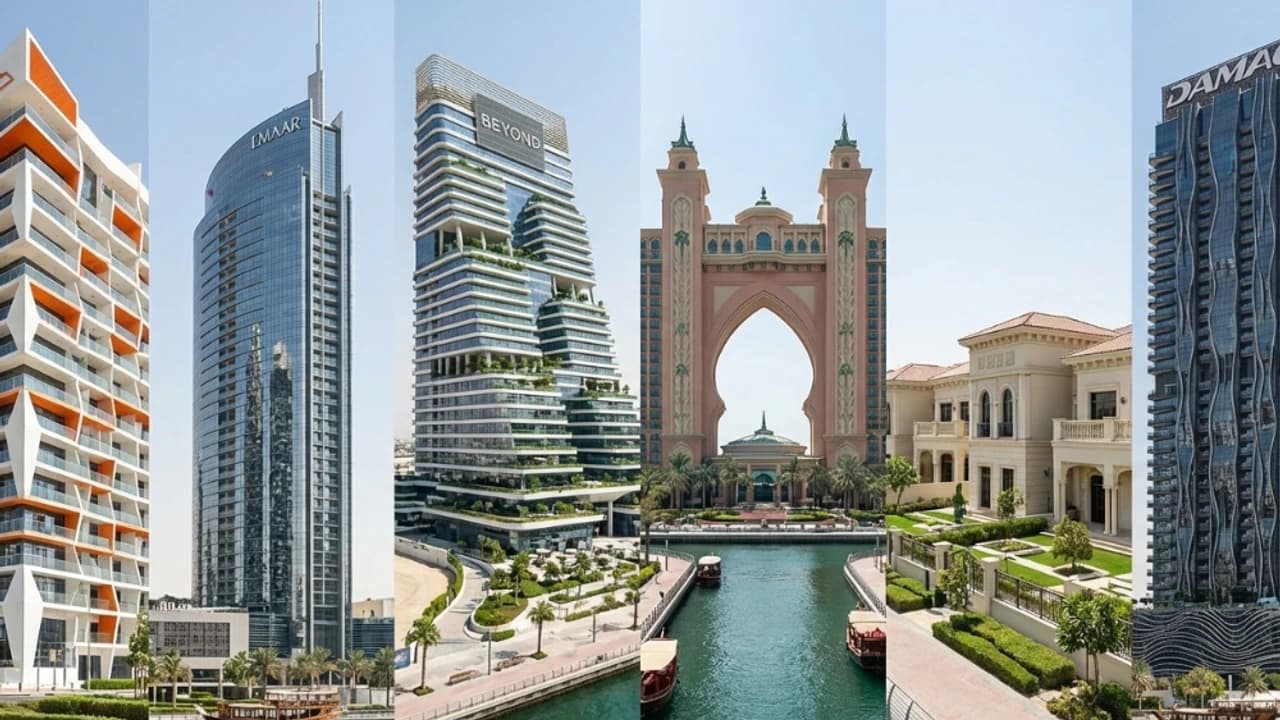
Foreign nationals can invest in UAE property by focusing on three things: buy only in eligible ownership zones, confirm every cost and document before paying, and choose a strategy that matches your timeline (off-plan for staged payments vs ready homes for immediate use). In Dubai, this usually means buying in designated freehold areas, registering the transaction properly, and planning for fees like the 4% transfer registration cost and ongoing service charges so your numbers stay realistic.
How to Invest in UAE Real Estate as a Foreigner: a practical roadmap
Step 1: Pick your goal before you pick a property
Most overseas investors do better when they start with one clear goal. Choose the one that fits you:
Rental income: focus on easy-to-rent layouts, transport access, building reputation, and service charges.
Capital growth: focus on master developments, future infrastructure, and scarcity factors (views, waterfront, brand residences).
Holiday home: focus on lifestyle, short-stay demand, and building rules for holiday rentals.
Residency planning: align your purchase value with investor visa or Golden Visa thresholds (details below).
A simple rule: if you can’t explain who will rent it or buy it from you later, don’t buy it yet.
Step 2: Understand foreign ownership in plain English
In Dubai, foreign buyers can own freehold property in areas designated for foreign ownership. Freehold means full ownership, not a “time-limited” right, and it can extend to the land and the building depending on the asset type.
You’ll also hear:
Long-term lease / usufruct (often up to 99 years) in specific cases.
Designated areas: zones where non-UAE/GCC nationals can buy, as defined under Dubai’s regulatory framework.
If you’re comparing emirates (Dubai vs Abu Dhabi, etc.), rules and processes can differ, so always verify the exact ownership structure and registration requirements in that emirate.
Step 3: Budget correctly (the hidden-cost step that saves you)
Foreign investors often plan only for the “price” and forget the “purchase costs” and “ownership costs.” The essentials to budget for:
One-time buying costs (Dubai)
Transfer/registration cost: commonly 4% of the purchase price for sale/purchase registration (often paid by the buyer in practice, unless agreed otherwise).
If you use a mortgage: there is a mortgage registration cost (commonly 0.25% of the loan value).
Ongoing ownership costs
Service charges and community fees (these can make or break net rental returns).
Maintenance, chiller/utility arrangements (varies by building), insurance.
A safe approach is to calculate returns after service charges, not before.
Step 4: Decide between off-plan and ready property like a pro
Both can be smart. The “better” choice depends on your risk comfort and timeline.
Off-plan (new launch / under construction)
Best when you want:
Staged payments (cash-flow friendly)
Brand-new building and amenities
Potential upside as the community matures
Your safety checks:
Confirm the project has a dedicated escrow account and ask for the escrow details.
Confirm the developer is properly registered and approvals are in place.
Ensure off-plan disposals are registered on the Interim Real Estate Register (this is the protection mechanism behind systems like Oqood; unregistered off-plan disposals can be treated as invalid).
Dubai’s escrow framework is designed so buyer funds are used for that project’s construction and monitored by the regulator.
Ready (completed home)
Best when you want:
Immediate move-in or immediate rental income
Ability to inspect the actual unit, view, and building condition
Faster clarity on building management and service-charge reality
Step 5: Due diligence checklist (keep it simple, but strict)
This is where serious investors protect capital.
Unit-level checks
Net area (not only “saleable” size)
Layout practicality (wasted space = lower demand)
View direction, noise exposure, privacy
Parking allocation, storage, balcony usability
What’s included in finishes (appliances, wardrobes, fittings)
Building/community checks
Building maintenance standard and management quality
Elevator capacity and access flow (matters more than people expect)
Community rules that affect rentals (especially short-stay)
Service charge history or estimate range
Document checks
For ready resale, make sure the process ends in proper registration and title issuance through the relevant channels. Dubai’s own investor guidance also highlights that real estate transactions need proper registration within required timelines to avoid penalties.
Step 6: Know the buying process (resale vs off-plan)
Here’s the practical flow most foreign investors experience in Dubai.
Resale (secondary market) flow
Shortlist, view, negotiate
Sign the sale terms (commonly via an MOU)
Pay the deposit as agreed
Get NOC / seller clearances as required
Transfer at the authorized registration channel and receive title deed
Off-plan flow
Reservation and booking
Sign SPA (Sales and Purchase Agreement)
Pay per milestone schedule into the project’s escrow mechanism
Interim registration for off-plan disposals (key protection step)
Handover inspection and snagging
Final registration/title deed after completion (process depends on project and stage)
Step 7: Financing for expats and non-residents (what to expect)
Many banks lend to UAE residents, and some lend to non-residents depending on profile, country, and property type. What matters in reality:
Your down payment requirement (often higher for non-residents)
Proof of income and bank statements
Property eligibility (not all buildings qualify for lending)
Total monthly affordability after existing obligations
If you’re buying off-plan, financing options can be different than completed properties, so confirm early.
Step 8: Residency options linked to property investment (Dubai examples)
If residency matters to you, align your plan to the thresholds and proof requirements.
Investor residence (property) route
Dubai Land Department’s investor residence service indicates a minimum real estate value of AED 750,000, with additional requirements for mortgaged properties (e.g., paid amount thresholds and bank NOC).
Golden Visa (property owner) route
Dubai’s Golden Visa investor service describes eligibility tied to property purchase value of AED 2 million or more (and in the case of a mortgaged property, proof that AED 2 million has been paid).
Always verify the latest criteria at the time you apply, because visa processes and document requirements can update.
Mistakes foreign buyers commonly make (so you can avoid them)
Buying based on “starting price” instead of total ownership cost
Ignoring service charges (net yield gets crushed)
Choosing a weak layout in a great area (harder to rent/resell)
Not confirming escrow and interim registration for off-plan purchases
Believing verbal promises instead of written SPA terms
Not having an exit plan (resale timeline and target buyer profile)
Why Autograph Realtors stands out
Autograph Realtors (Autograph By Dejavu Real Estate Brokers) works differently from “send you 50 listings and push you to book.” We shortlist based on your goal, explain the numbers in simple English, and keep everything documentation-led—unit specs, payment milestones, and risk checks—so you make a calm decision. If something looks unclear or overpriced for your strategy, we say it early. That’s how foreign investors avoid surprises and buy with confidence.